Why the World Feels Like It’s Holding Its Breath Right Now
There’s a shared sensation many people struggle to name: the feeling that the world is paused, waiting for something to happen. Not calm, not chaotic — suspended. Conversations trail off. Decisions feel provisional. Even daily routines carry a sense of hesitation, as if everyone is anticipating a signal that hasn’t arrived yet.
This feeling isn’t tied to a single event. It’s cumulative.
For years, the world has moved through overlapping disruptions rather than isolated ones. Political shifts, economic uncertainty, technological acceleration, cultural recalibration. Each wave arrived before the last one fully settled. Over time, this has trained people to expect interruption. The result isn’t panic — it’s vigilance.
When vigilance becomes constant, stillness feels charged.
Part of this collective pause comes from uncertainty fatigue. There’s only so much reacting people can do before they start conserving energy. Instead of responding immediately, they wait. Instead of committing fully, they hedge. This shows up everywhere — in business decisions, personal plans, and public discourse.
The news cycle contributes to this sensation. Information arrives continuously, but resolution rarely does. Stories update without concluding. Issues evolve without closure. When outcomes remain unresolved for long stretches, people instinctively shift into holding patterns. Attention narrows. Long-term planning feels risky.
There’s also a psychological recalibration happening. After years of constant urgency, many people are less willing to treat every development as an emergency. This doesn’t mean disengagement. It means discernment. The pause reflects a growing awareness that not everything requires immediate reaction — even when it feels important.
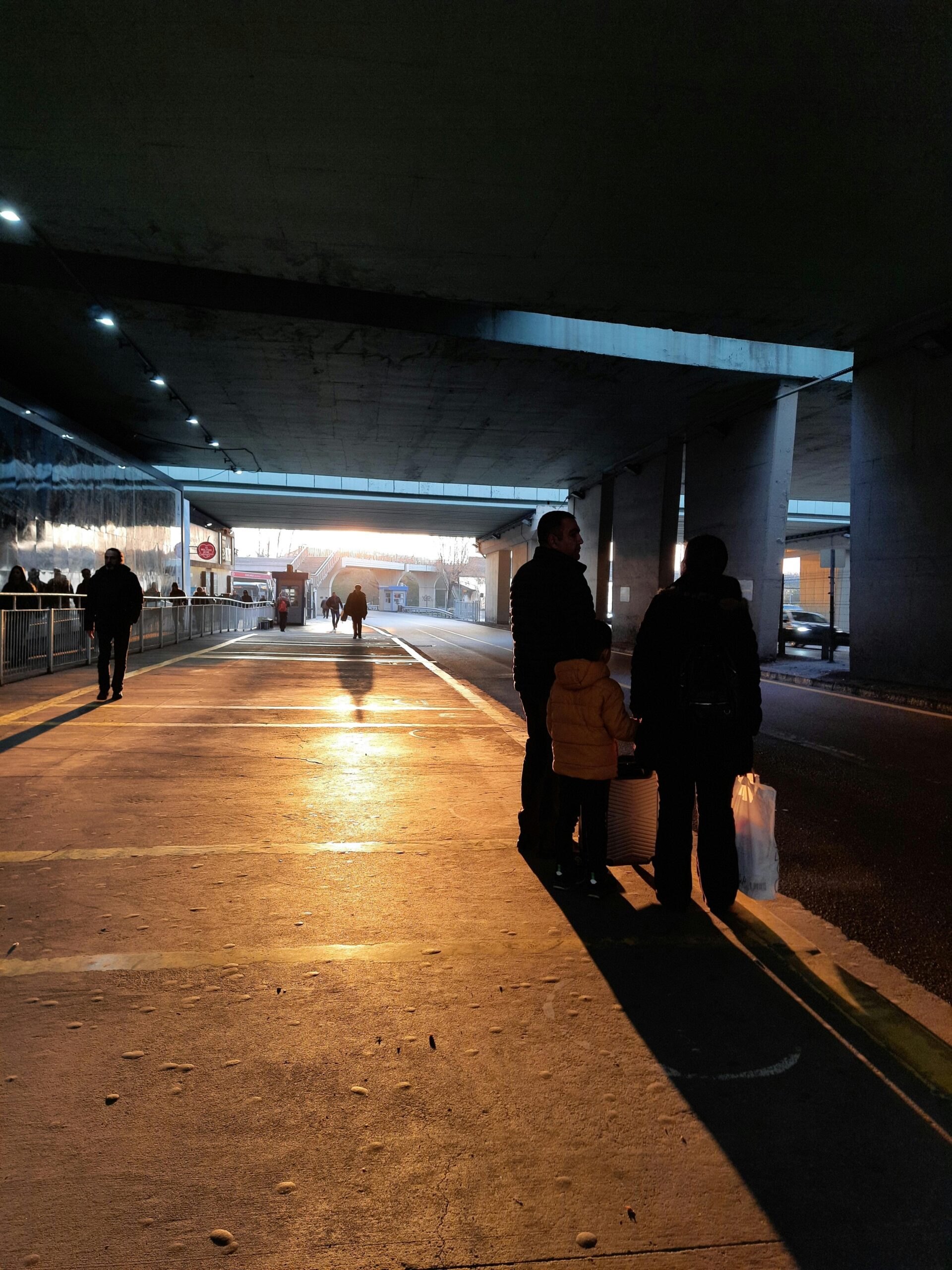
Visually, this moment looks quiet. City streets at dusk. People scrolling without urgency. Public spaces that feel occupied but subdued. These scenes don’t suggest inactivity; they suggest anticipation. The world is still moving, just more cautiously.
Another factor is transition. Systems that once felt stable are being renegotiated. Work structures. Global relationships. Economic expectations. Cultural norms. When foundational frameworks shift, people hesitate to commit to new assumptions too quickly. The pause becomes a form of self-protection.
This end-of-year period amplifies the feeling. Reflection slows momentum. Planning replaces action. People look back before moving forward. The breath-holding becomes more noticeable because the calendar itself invites pause.
Importantly, this moment isn’t empty. It’s generative. Periods of collective pause often precede significant change. They allow tension to surface. Assumptions to loosen. New directions to take shape quietly before becoming visible.
History shows that large shifts rarely arrive during peak noise. They emerge after periods of uncertainty, when old narratives no longer hold and new ones aren’t fully formed yet. The discomfort of waiting is part of that process.
The world holding its breath doesn’t mean collapse is imminent. It means recalibration is underway. People are watching more closely. Listening differently. Choosing responses more carefully. The volume may be lower, but attention is sharper.
What comes next will likely feel sudden in retrospect. Decisions that seem cautious now may later appear prescient. The pause will be remembered not as inactivity, but as preparation.
For now, the feeling remains — a collective inhale. Not fear. Not peace. Just the awareness that something is shifting, and that rushing to define it too soon would miss the point.
Sometimes the most honest response to uncertainty is to wait.
And that, quietly, is what the world seems to be doing right now.