The New Cold War Isn’t Military — It’s Economic
When people hear “Cold War,” they imagine nuclear arsenals, military standoffs, and ideological conflict.
But today’s global rivalry looks different.
The new Cold War isn’t centered on missiles.
It’s centered on markets.
Economic power — not military force — is becoming the primary tool of global influence.
And the battleground spans supply chains, technology, energy, and finance.
Trade as Leverage
International trade once symbolized cooperation.
Today, it is increasingly strategic.
Tariffs, export controls, and sanctions are used to influence behavior and signal power.
Nations now weigh not just economic efficiency, but political alignment.
Access to markets can be granted — or restricted.
Trade agreements are less about free exchange and more about controlled advantage.
The Semiconductor Frontline
Few industries illustrate this shift better than semiconductors.
Microchips power everything from smartphones to defense systems.
Control over chip production equals control over technological development.
Export restrictions on advanced chips, incentives for domestic manufacturing, and supply chain diversification reflect strategic competition.
The chip industry is not just commercial.
It is geopolitical.
Energy as Influence
Energy has always been political.
But today’s realignment is accelerating.
Oil and gas exports influence diplomatic relationships.
Renewable energy transitions introduce new dependencies — particularly around rare earth minerals and battery components.
Countries are investing heavily in domestic energy independence to reduce vulnerability.
Energy security now overlaps with national security.
Financial Systems as Strategic Tools
Global banking networks and reserve currencies provide enormous leverage.
Sanctions that restrict access to financial systems can severely impact national economies.
Currency strength influences trade competitiveness.
Capital flows reflect not just economic opportunity — but geopolitical risk.
Financial systems are no longer neutral platforms.
They are strategic instruments.
Supply Chain Reconfiguration
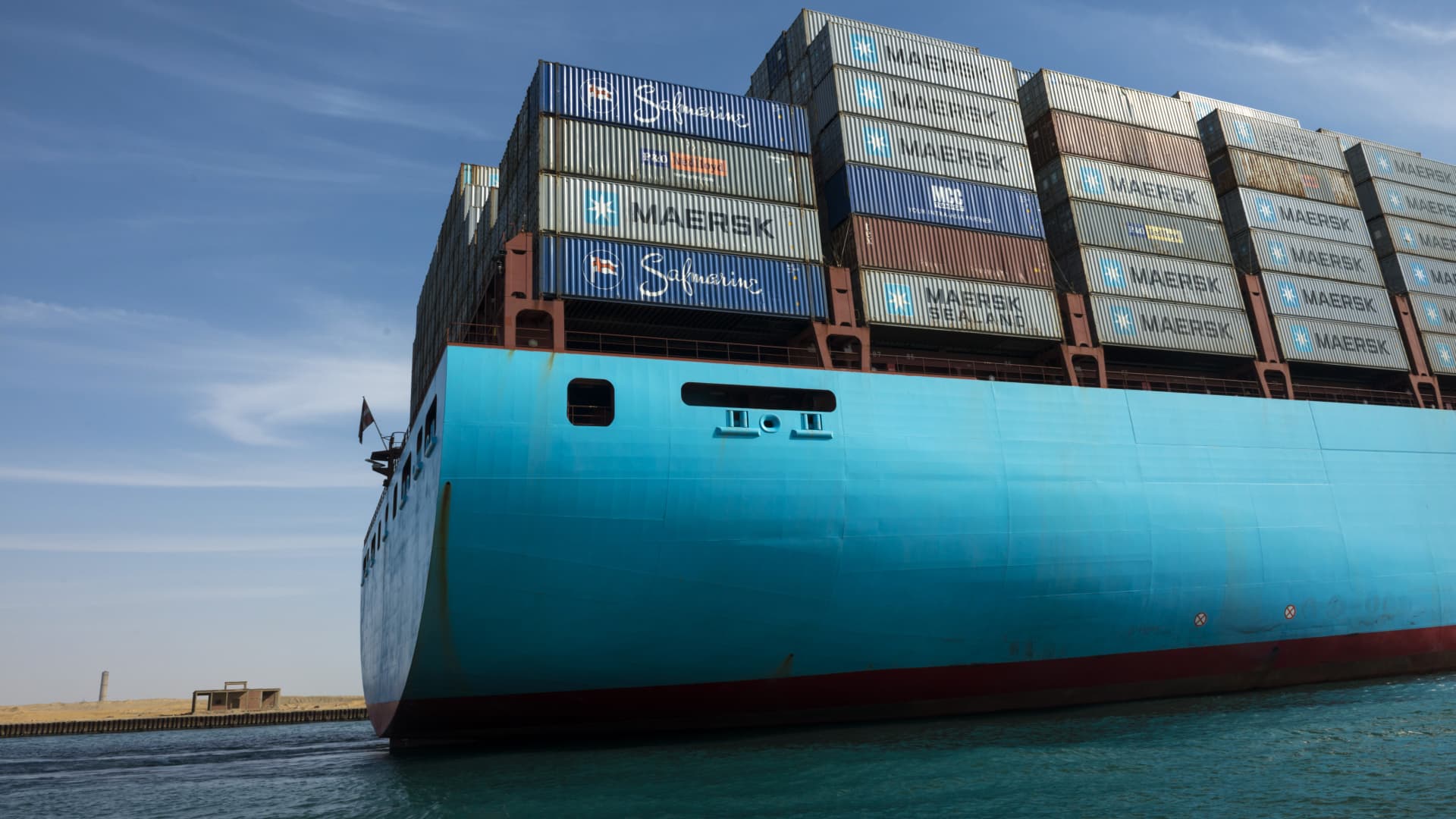
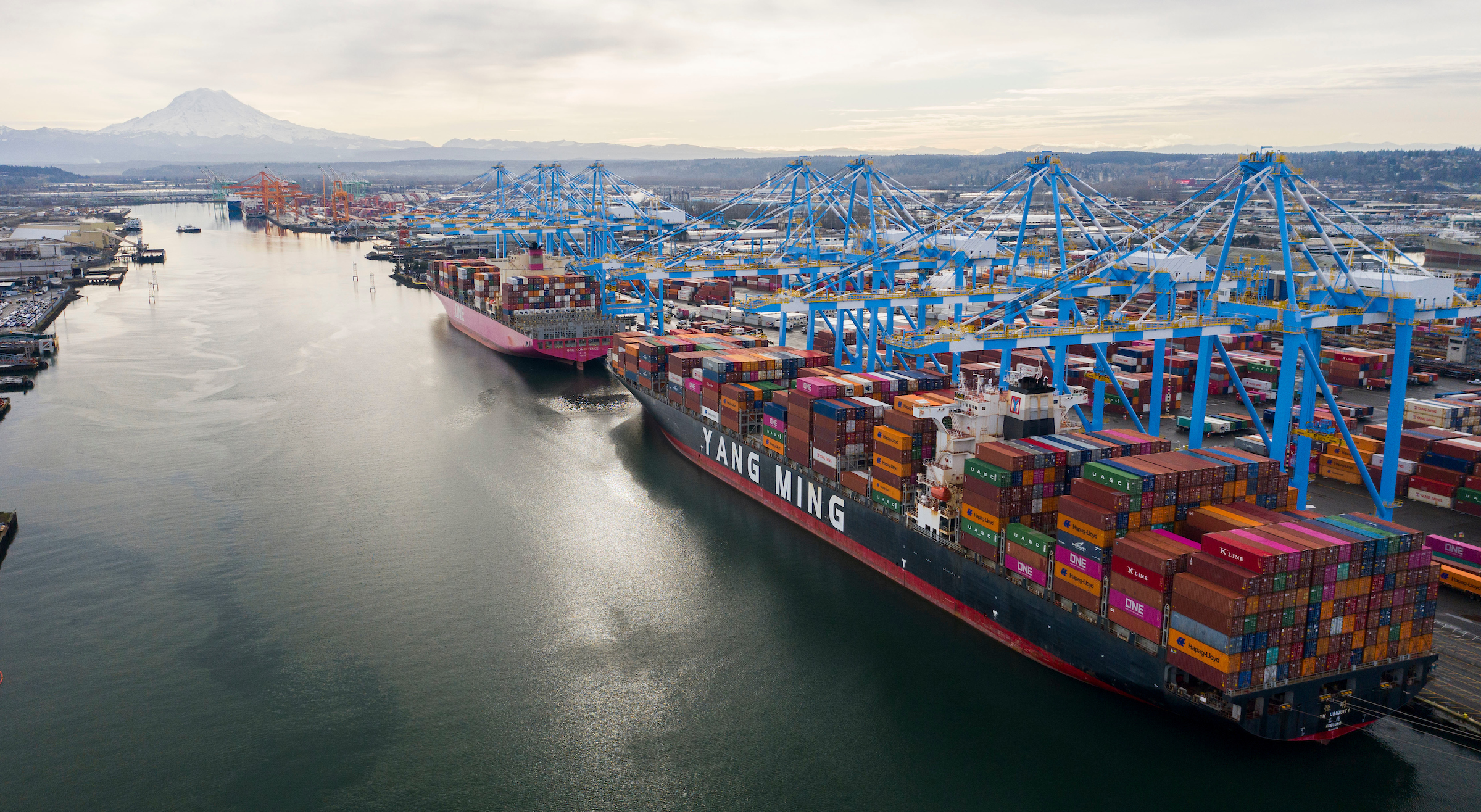
The era of purely cost-driven globalization is fading.
Corporations are reassessing where goods are produced.
“Friend-shoring” — relocating production to politically aligned countries — is gaining traction.
Near-shoring reduces dependency on distant suppliers.
Supply chains are no longer just logistical networks.
They are risk management frameworks.
Technology Sovereignty
Governments increasingly prioritize domestic technology ecosystems.
Data storage, cloud infrastructure, artificial intelligence, and cybersecurity are viewed as critical assets.
Investment incentives encourage local innovation.
Restrictions limit foreign access to sensitive sectors.
Technological sovereignty shapes competitive positioning.
The Fragmentation Risk
As economic blocs form around political alliances, global markets risk fragmentation.
Different regulatory standards.
Different digital ecosystems.
Different trade routes.
Instead of one integrated global system, we may see parallel networks aligned by strategic interest.
This complicates global expansion for companies operating internationally.
Why This Matters for Markets
Markets respond to geopolitical tension.
Trade disputes affect commodity prices.
Export restrictions influence tech valuations.
Sanctions reshape capital flows.
Investors increasingly factor political risk into pricing models.
Economic competition creates volatility.
Not a Return to Isolation
This economic Cold War does not mean globalization disappears.
Interdependence remains strong.
But interdependence now carries strategic caution.
Countries cooperate — while simultaneously hedging against vulnerability.
Efficiency is balanced against resilience.
The new Cold War is quieter than its predecessor.
There are no daily military standoffs dominating headlines.
Instead, economic tools shape influence.
Trade, technology, energy, and finance are the new arenas of competition.
Understanding this shift explains why markets move the way they do — and why global alliances feel less stable.
The battleground isn’t defined by borders.
It’s defined by supply chains.
And the struggle for economic leverage is only intensifying.