The Countries Winning the Energy Transition Race
The global energy transition is no longer theoretical.
It is economic.
Countries that move fastest toward renewable infrastructure, battery production, and critical mineral control are positioning themselves for long-term influence.
This race is not just about climate commitments.
It is about industrial leadership.
And some nations are pulling ahead.
China: Manufacturing Dominance
China has invested heavily in renewable energy infrastructure for over a decade.
It leads globally in:
- Solar panel production
- Battery manufacturing
- Electric vehicle supply chains
- Rare earth mineral processing
Control over manufacturing scale gives China pricing power and export leverage.
By building vertically integrated supply chains, it reduced dependence on foreign inputs.
This strategic positioning extends beyond environmental goals.
It is economic strategy at scale.
The United States: Incentive-Driven Acceleration
The United States has accelerated domestic energy investment through policy incentives.
Tax credits and subsidies have fueled:
- Solar and wind deployment
- EV manufacturing
- Battery gigafactories
- Semiconductor-linked energy technologies
The focus is on reshoring supply chains and reducing dependency on foreign critical minerals.
While manufacturing gaps remain, capital investment has increased significantly.
The U.S. strategy centers on innovation and private-sector scale.
The European Union: Regulation as Strategy
The European Union has taken a regulatory-first approach.
Aggressive emissions targets and carbon pricing mechanisms have pushed energy companies to adapt.
The EU leads in:
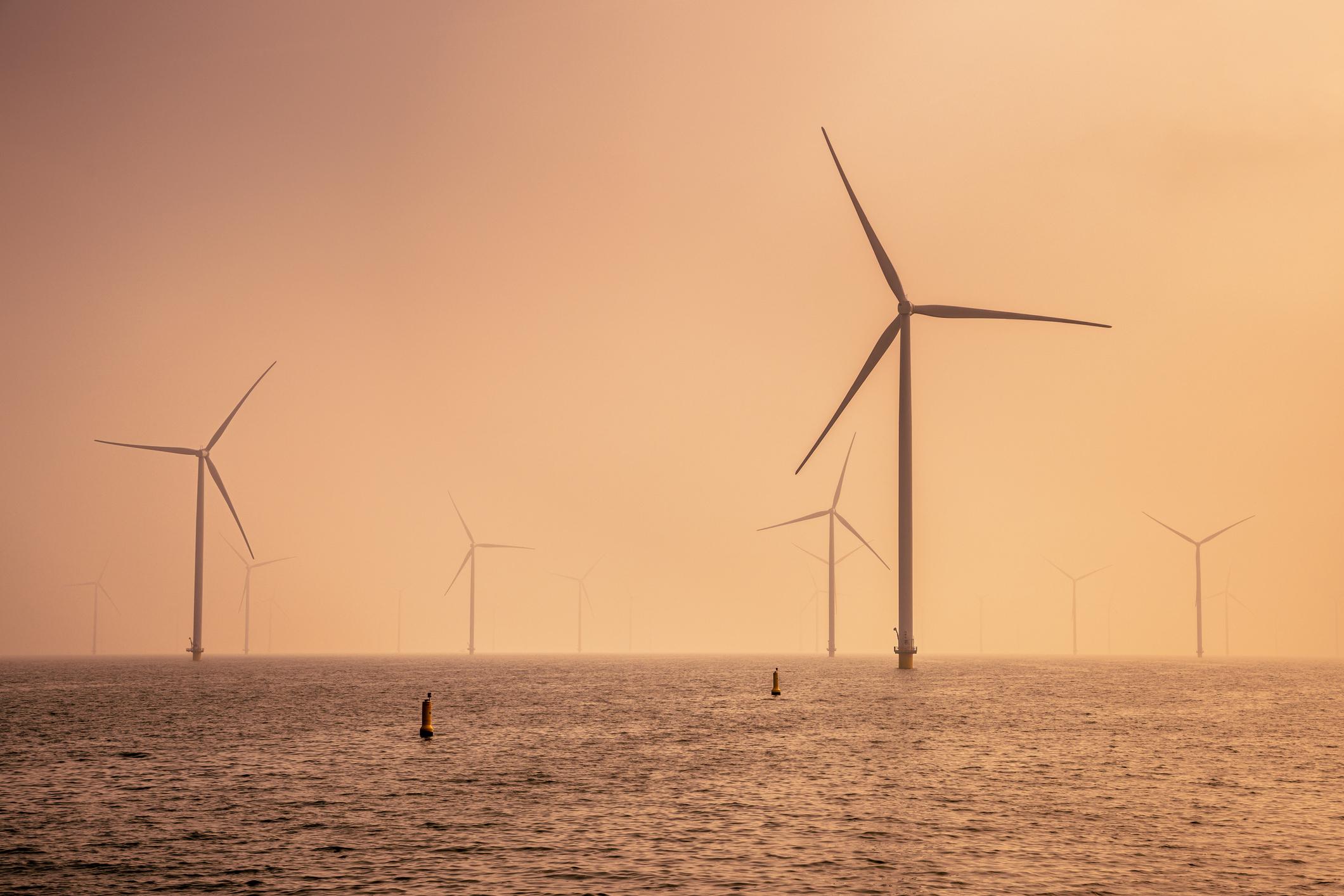
- Offshore wind development
- Green hydrogen experimentation
- Grid modernization
While dependent on imported energy resources, Europe is rapidly diversifying supply and investing in renewables to enhance energy security.
Policy consistency remains its strength.
Emerging Economies: Resource Leverage
Countries rich in critical minerals are gaining geopolitical importance.
Nations with significant reserves of:
- Lithium
- Cobalt
- Nickel
- Rare earth elements
Hold leverage in the energy transition supply chain.
These materials power electric vehicles, batteries, and renewable storage systems.
Strategic partnerships are forming around mineral access.
Resource control influences negotiating power.
The Technology Layer
Winning the energy race is not just about generating power.
It is about managing it efficiently.
Smart grids, AI-driven energy forecasting, and large-scale battery storage systems are becoming central.
Countries investing in digital energy infrastructure gain stability and resilience.
Energy systems are becoming intelligent networks — not just power plants.
Energy Security as National Security
Recent global disruptions highlighted the vulnerability of overreliance on foreign energy sources.
Countries now prioritize diversification.
Domestic renewable production reduces exposure to geopolitical shocks.
Energy independence enhances economic stability.
The transition race is therefore tied directly to national security strategy.
The Investment Flow
Capital markets reflect this race.
Investment in renewable energy, EV production, and storage technologies continues to grow.
Sovereign wealth funds, private equity, and institutional investors allocate capital toward energy transition projects.
Financial support accelerates infrastructure development.
The countries attracting this capital gain momentum.
The Competitive Edge
Winning does not mean eliminating fossil fuels overnight.
It means:
- Controlling key supply chains
- Securing critical minerals
- Scaling renewable infrastructure
- Building advanced storage systems
Long-term competitiveness depends on integration across these layers.
The energy transition is reshaping global power structures.
Countries that secure supply chains, invest in infrastructure, and innovate in storage and grid systems gain long-term economic advantage.
This race is not symbolic.
It determines industrial leadership for decades to come.
The winners will not only generate cleaner power.
They will shape the global economy that runs on it.