The Global Stories People Are Feeling More Than Following
Not all global stories are being followed closely. Some aren’t tracked through headlines or updates at all. Instead, they’re felt — as mood, tension, fatigue, or unease. People may not be able to name the issue precisely, but they recognize its weight in their daily lives.
These are the stories that don’t require constant attention to be understood.
One reason for this shift is saturation. The volume of information is so high that many people have stopped trying to keep up with every development. Instead of following each update, they absorb the emotional residue. The outcome isn’t ignorance; it’s a different form of awareness. People sense instability without needing to read every article explaining it.
Economic pressure is one such story. Even without tracking markets or policy decisions, people feel rising costs, tighter budgets, and delayed plans. The story isn’t followed — it’s lived. Small adjustments accumulate: fewer risks taken, longer pauses before spending, more emphasis on security. These changes happen quietly, without commentary.
Another felt story is uncertainty around the future of work. Not everyone reads reports about automation or remote work trends, but many feel the shift in expectations. Roles feel less permanent. Skills feel more important than titles. Career paths feel less linear. This uncertainty isn’t always discussed, but it influences decisions in subtle ways.
There’s also a collective emotional fatigue that transcends borders. Constant exposure to conflict, crisis, and division has altered how people engage with global news. Many aren’t disengaged; they’re overwhelmed. They feel the heaviness without needing to revisit the details. The story becomes internal rather than informational.
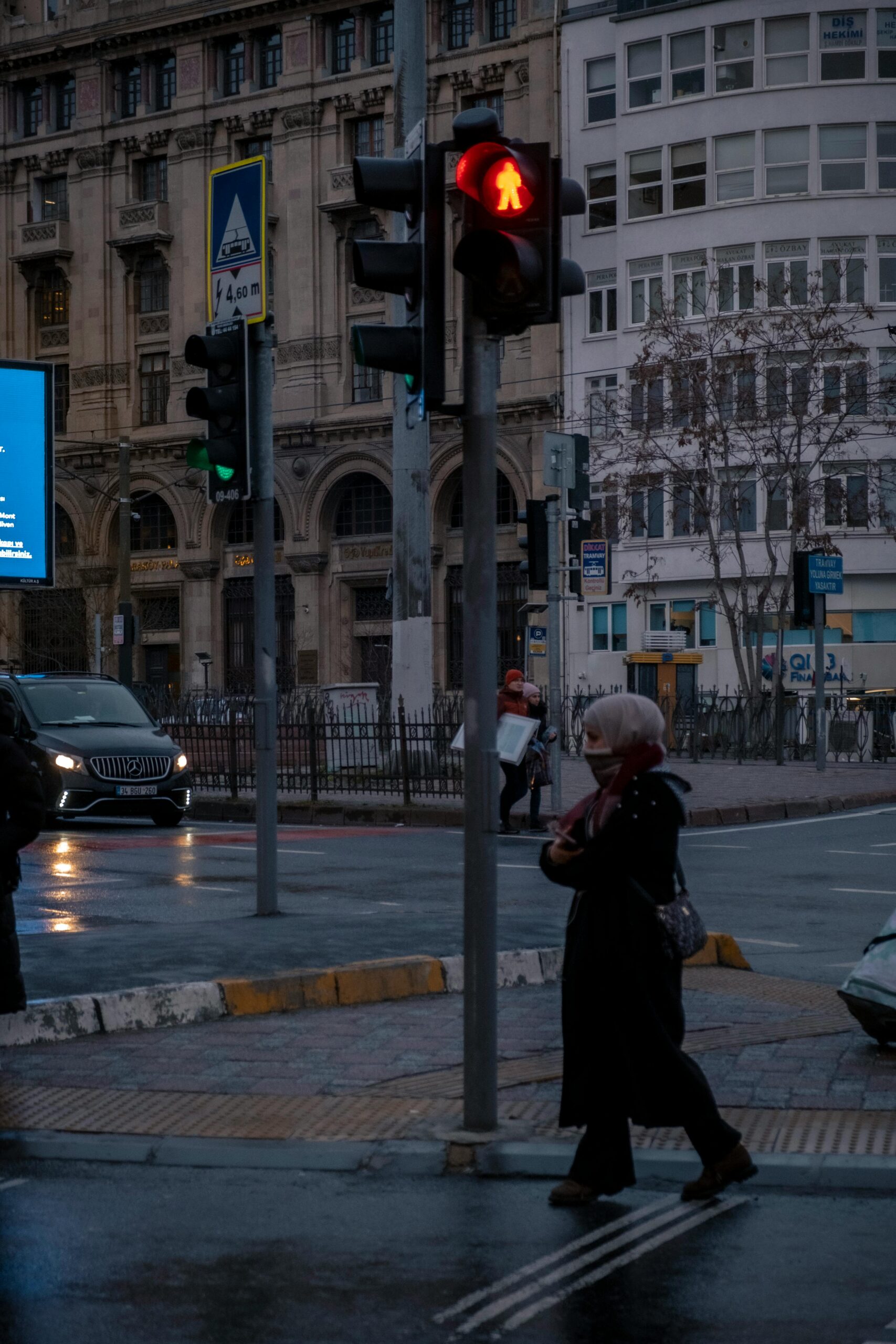
Visually, these stories don’t look dramatic. They appear in everyday scenes: people checking phones and putting them down. Conversations that trail off. Plans postponed without explanation. The signals are behavioral, not verbal.
Cultural shifts follow the same pattern. Changing norms around identity, belonging, and values are often experienced emotionally before they’re articulated intellectually. People sense misalignment before they can explain it. Reactions emerge before language does. These are stories felt long before they’re debated.
The end-of-year period amplifies this phenomenon. Reflection replaces reaction. People stop tracking developments closely and start asking how the year felt overall. Patterns emerge that were invisible in real time. The emotional arc becomes clearer than the informational one.
What’s notable is that these felt stories often drive behavior more powerfully than followed ones. People change habits, priorities, and expectations based on what feels unstable or unresolved. The absence of detailed knowledge doesn’t prevent response — it redirects it.
This doesn’t mean facts no longer matter. It means emotional context has become the primary filter. When people feel saturated, they prioritize internal signals over external updates. The result is a quieter, more intuitive form of global awareness.
There’s also a trust component. Repeated exposure to unresolved narratives has reduced confidence in resolution. When stories don’t conclude, people stop waiting for conclusions. They adjust internally instead. This shift explains why some global developments feel omnipresent without being actively consumed.
The global stories people are feeling more than following are shaping the world in subtle ways. They influence caution, restraint, and reflection. They slow decision-making. They alter expectations.
These stories may never trend. They don’t arrive with breaking alerts or viral moments. But they’re powerful because they bypass attention and settle directly into experience.
And in a world overwhelmed by information, what people feel often matters more than what they follow.