When Sports Stop Being About the Game and Start Being About the Moment
There comes a point when the score stops mattering. Not because the game isn’t important, but because something else takes over. The crowd reacts before the play finishes. People remember where they were, not who won. The moment expands beyond the field, court, or screen and becomes something shared.
That’s when sports stop being about the game.
Most fans can recall moments they didn’t fully understand at the time but still remember clearly. A final whistle heard from another room. A stadium erupting in unison. A living room going silent at once. These moments aren’t remembered for their technical brilliance. They’re remembered for how they felt.
Sports become cultural events when they intersect with timing. The end of a long season. A year marked by uncertainty. A moment when people are already emotionally primed. In these contexts, the game carries more weight than it normally would. It becomes a container for collective emotion.
Often, people watching aren’t even deeply invested in the sport itself. They’re there for the atmosphere. The ritual. The sense of participation. Sports offer a rare form of synchronized experience — millions of people focused on the same thing at the same time. That alignment is powerful, especially in a fragmented world.
When sports shift from competition to moment, the narrative changes. It’s no longer about execution or strategy. It’s about reaction. About what people do when something unexpected happens. The gasp. The cheer. The stunned pause. These responses are instinctive and communal.
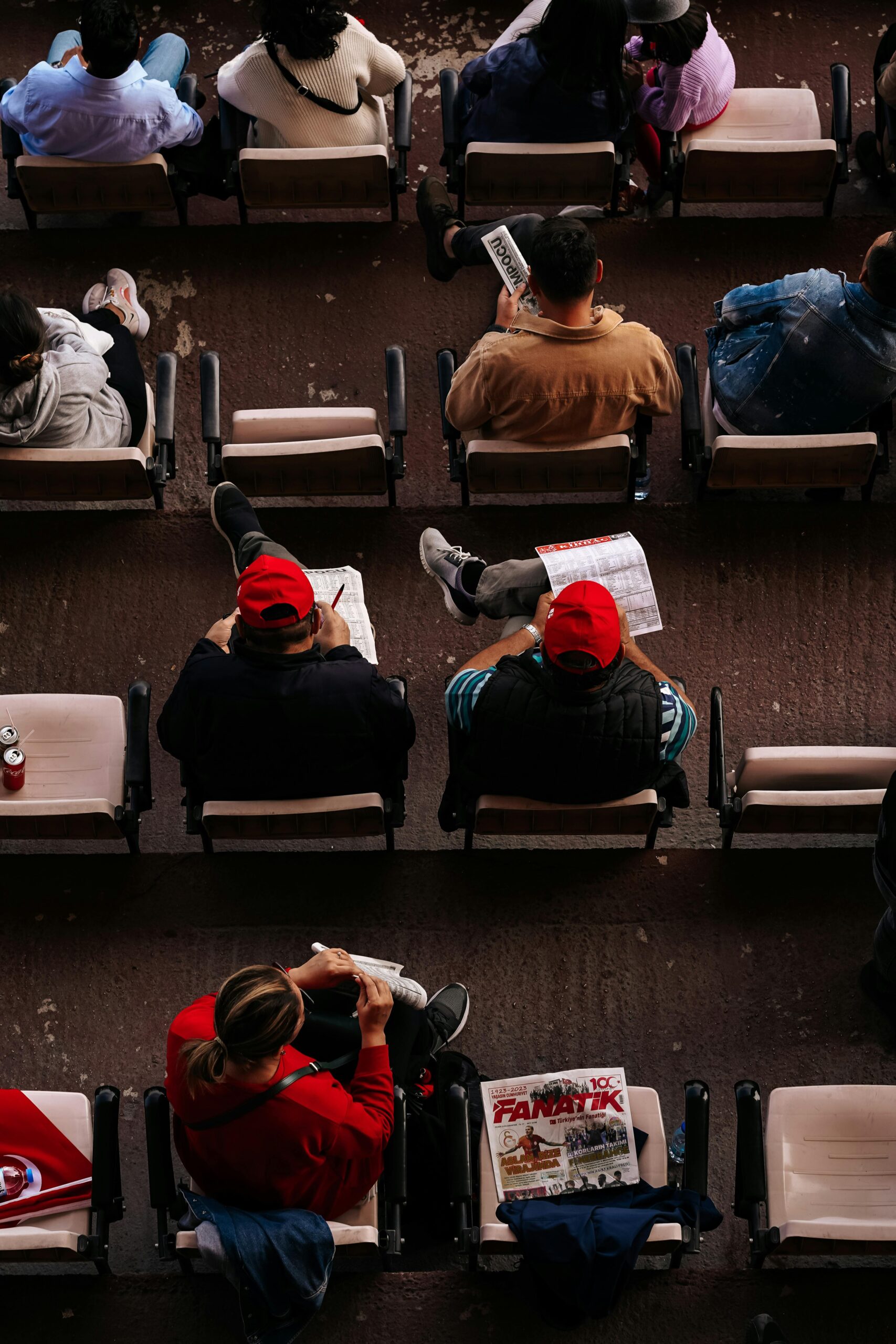
Visually, these moments are easy to recognize. Fans standing without realizing it. Screens paused mid-play. People hugging strangers. Faces lit by televisions rather than stadium lights. The setting matters less than the shared attention.
This shift is especially noticeable during major cultural transitions. End-of-year games. Championship moments after difficult seasons. Events that coincide with broader uncertainty. Sports absorb the emotional overflow of the moment they occur in. The game becomes symbolic rather than isolated.
There’s also a reason these moments linger longer than the games themselves. Outcomes fade. Stats blur. What remains is the memory of being part of something larger. Of feeling connected to people you’ve never met. Of reacting in unison without explanation.
This doesn’t diminish the athletes or the sport. It reframes them. The game becomes a catalyst rather than the point. It creates space for emotion to surface safely, publicly, and briefly. Afterward, life resumes — but slightly altered.
In recent years, this phenomenon has become more pronounced. As daily life grows more individualized, moments of collective focus stand out more sharply. Sports provide a sanctioned pause, a moment where attention is allowed to gather rather than scatter.
Not every game becomes a moment. Most remain just games. But when timing, context, and emotion align, something shifts. People aren’t watching to analyze. They’re watching to feel.
These moments don’t need explanation. They don’t require expertise. They belong to everyone present, regardless of knowledge or allegiance. The game fades into the background. The experience takes over.
When sports stop being about the game, they become markers in time. Reference points. “Remember where you were when…” moments that outlast the details.
The final score matters less than the shared pause it created. The brief alignment. The feeling of being part of something, together, for a moment.
And that’s why these moments endure — not because of what happened on the field, but because of what happened everywhere else at the same time.